
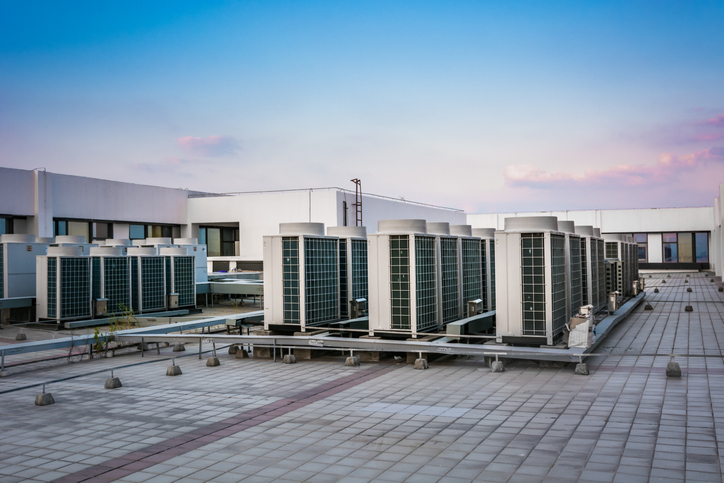
Late spring is the sweet spot for rooftop unit maintenance. Your building has not hit peak cooling demand yet, and you still have time to catch small issues before they turn into hot offices, comfort complaints, or an emergency service calls. If you manage a commercial building, a quick commercial RTU inspection now helps you start the cooling season on the right foot. This walkthrough covers what to look for and what to log as part of your HVAC preventative maintenance plan while you inspect your RTUs this spring.
Maximizing Airflow with Proper Filter and Intake Checks
Airflow issues show up fast once outdoor temperatures climb. If the unit cannot move enough air, spaces feel warm and sticky even when the thermostat says it is calling for cooling. Start by checking supply and return grilles inside the space to ensure they are not blocked by furniture or boxes. You should also confirm that filters are seated correctly and that the filter type matches the unit requirements. A poorly fitted filter allows dust to bypass the system and build up downstream on sensitive components. Don’t forget to check the outdoor air intake or economizer area for leaves, cottonwood fluff, or nesting debris that might be choking the system.
Preventing Leaks: Inspect Drain Pans and Condensate Lines on Your RTUs this Spring
In cooling mode, RTUs pull a significant amount of moisture from the air. That water must drain away cleanly to prevent issues like overflow, musty odors, and ceiling stains. Inspect the area around the unit base for standing water or algae buildup near drain outlets. Inside the building, look for water stains on ceilings near mechanical chases. Keeping a log of any musty smells reported by occupants or past staining incidents will help a technician identify restricted lines before they cause major property damage during a humid summer.
A Simple Late-Spring RTU Maintenance Log
You do not need complex software to make your inspection useful. A simple notebook or digital sheet for each unit is enough to track the health of your equipment when you inspect your RTUs this spring.
-
Observation Details: Record the unit ID, date, outdoor temperature, and any unusual noises or vibrations.
-
System Status: Note the visible coil condition (light, moderate, or heavy dirt) and the last time filters were replaced.
-
Inside Feedback: Document specific occupant complaints, such as zones that are consistently too warm in the afternoon.
Maintaining Coil Efficiency for Better Heat Rejection
Coils are where the actual heat transfer happens, so they are the heart of your cooling season checklist. When coils are dirty, the system runs longer and wastes more energy while struggling to reach its temperature setpoint. Look for debris on the condenser coil, such as dust mats or grease film. You should also check for bent fins or blocked coil surfaces that might restrict heat rejection. If you notice the unit is short-cycling or running continuously without cooling the space, the coils likely need a professional cleaning.
Checking RTU Fan Belts and Motor Performance
Many RTUs use belts to drive supply fans. A worn or loose belt reduces airflow and adds unnecessary strain to the motor. If you are authorized to open the unit panels, check the belt for cracking, glazing, or fraying. Listen for internal fan noise, as a high-pitched squeal often points to a belt or bearing issue. You should also note any vibration or shaking reported by occupants on the upper floors, as this can indicate a fan that is out of balance. Recording these symptoms early helps your service team bring the right parts on the first visit.
Knowing When to Schedule Professional Service to Inspect Your RTUs this Spring
While building managers can handle basic observations, certain signs indicate that it is time to bring in a specialized crew. Catching these red flags during a late-spring walk-through is much easier than dealing with a total system failure in the middle of July.
-
Critical Faults: Contact a technician for persistent water leaks, heavy coil blockage, or recurring alarms in your building automation system.
-
Mechanical Wear: Schedule service if you hear grinding noises or see significant belt wear that requires technical tools to realign or replace.
Clear observations and a consistent log make preventative maintenance faster and less disruptive for your tenants. Keeping your RTUs in peak shape by making sure you inspect them this spring ensures your building stays comfortable and your energy bills stay manageable all season long. If your rooftop units are showing signs of heavy buildup or poor airflow, a professional cleaning by the experts at Chemiclene can get them ready for the summer heat.